
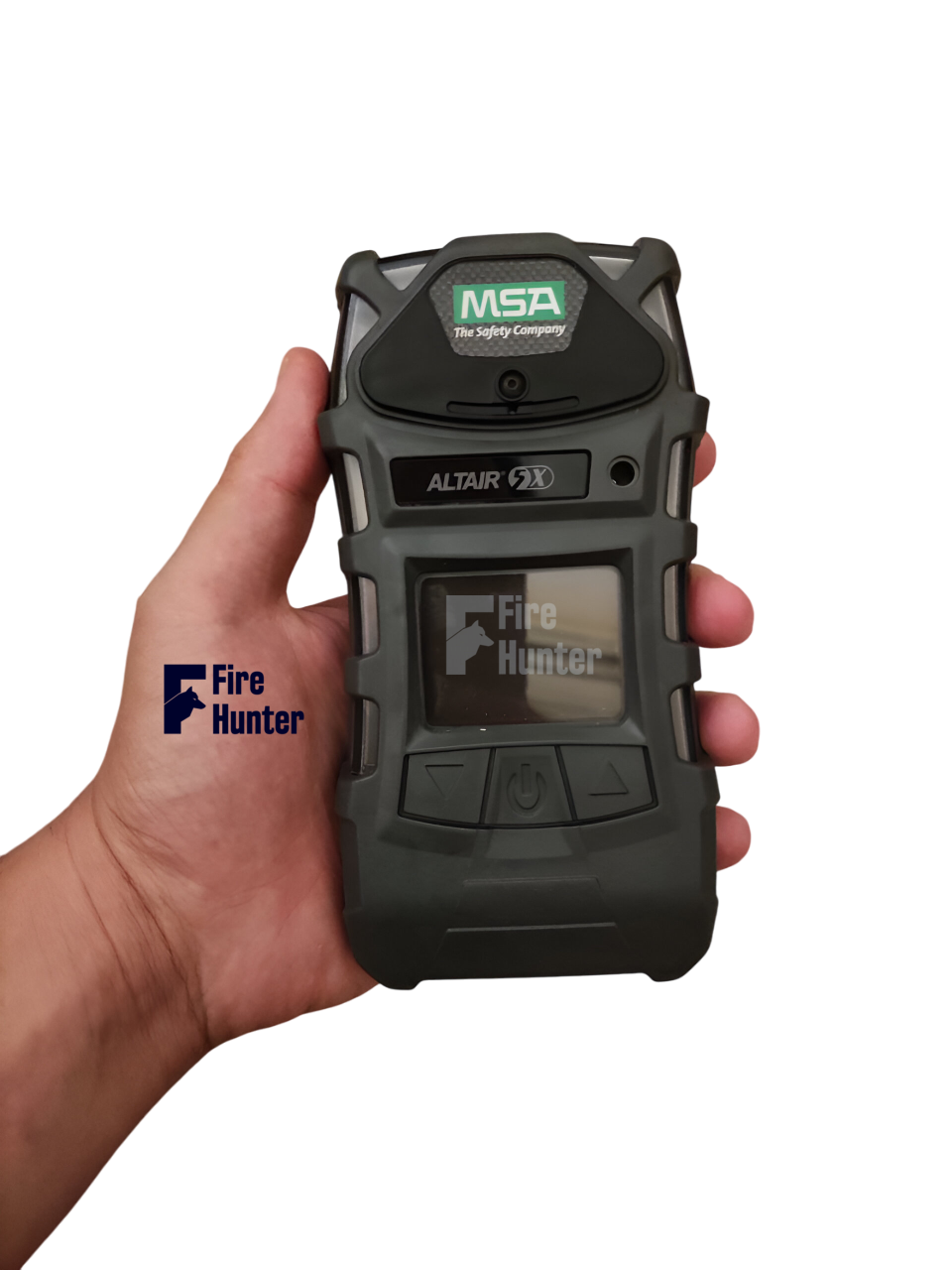
Multi-Gas Detectors in UAE: How to Choose the Right Sensor Configuration
Industrial safety in the UAE depends heavily on accurate gas detection. From oil & gas facilities and utilities to confined spaces and maintenance operations, multi-gas detectors are essential tools for protecting workers from invisible hazards.
Choosing the right sensor configuration is not just a technical decision—it directly affects safety compliance, operational efficiency, and long-term cost. This guide explains how to select the correct multi-gas detector configuration based on real working conditions in the UAE.
Why Multi-Gas Detectors Are Critical in the UAE
Many workplaces in the UAE involve environments where hazardous gases may be present without warning. These include:
-
Confined spaces such as tanks, pits, and tunnels
-
Industrial plants and refineries
-
Utility and maintenance operations
-
Marine and port facilities
A multi-gas detector continuously monitors air quality and alerts users before gas levels reach dangerous limits, helping prevent accidents, injuries, and downtime.
What Is a Multi-Gas Detector?
A multi-gas detector is a portable or fixed safety device designed to detect and measure multiple gases simultaneously. Unlike single-gas units, these detectors provide broader protection by combining several sensors into one compact device.
Typical applications include entry into confined spaces, leak detection, routine inspections, and emergency response.
Common Gases Detected in Industrial Environments
Understanding which gases may be present is the first step in selecting the correct sensor setup.
Oxygen (O₂)
Oxygen deficiency or enrichment can quickly become life-threatening. Monitoring oxygen levels is mandatory in confined space work.
Carbon Monoxide (CO)
Produced by incomplete combustion, carbon monoxide is odorless and extremely dangerous. It is common in mechanical rooms and industrial facilities.
Hydrogen Sulfide (H₂S)
Frequently encountered in oil, gas, and wastewater environments. Even low concentrations can be hazardous.
Combustible Gases (LEL)
These sensors detect flammable gases before they reach explosive levels, providing early warning to prevent fires and explosions.
How to Choose the Right Sensor Configuration
1. Assess Your Work Environment
Identify whether the detector will be used in confined spaces, open industrial areas, or hazardous zones. Each environment presents different gas risks.
2. Match Sensors to Risk Exposure
Avoid generic configurations. Select sensors based on actual gas exposure rather than assumptions.
Typical configurations include:
-
O₂ / CO / H₂S / LEL (standard industrial use)
-
Custom sensor combinations for specialized applications
3. Consider Certification Requirements
Many UAE projects require certified equipment suitable for hazardous areas. Selecting detectors with appropriate approvals ensures compliance and acceptance on site.
4. Evaluate Calibration and Maintenance
Choose detectors that support easy calibration and sensor replacement to reduce downtime and long-term operating costs.
Portable vs Fixed Multi-Gas Detectors
Portable Gas Detectors
Ideal for:
-
Maintenance teams
-
Confined space entry
-
Mobile inspections
They offer flexibility and quick deployment.
Fixed Gas Detection Systems
Used for:
-
Continuous area monitoring
-
Permanent installations
-
High-risk industrial zones
Often integrated with alarms and control systems.
Industry Applications in the UAE
Multi-gas detectors are widely used across multiple sectors, including:
-
Oil and gas operations
-
Utilities and infrastructure projects
-
Industrial manufacturing
-
Marine and port facilities
-
Construction and maintenance works
Each industry requires a tailored sensor configuration to address specific risks.
Multi-Gas Detectors Available from Fire Hunter Co.
Fire Hunter Co. supplies professional multi-gas detectors designed for demanding industrial environments in the UAE. Our range includes portable and fixed solutions suitable for multiple applications, with configurable sensor options to match site-specific requirements.
Our team assists clients in selecting the correct configuration based on:
-
Application
-
Environmental risk
-
Compliance requirements
-
Budget and maintenance needs
Final Thoughts
Selecting the right multi-gas detector sensor configuration is a critical safety decision. The correct setup improves protection, ensures compliance, and reduces operational risk.
If you are unsure which configuration suits your application, professional guidance can help you make the right choice from the start.