
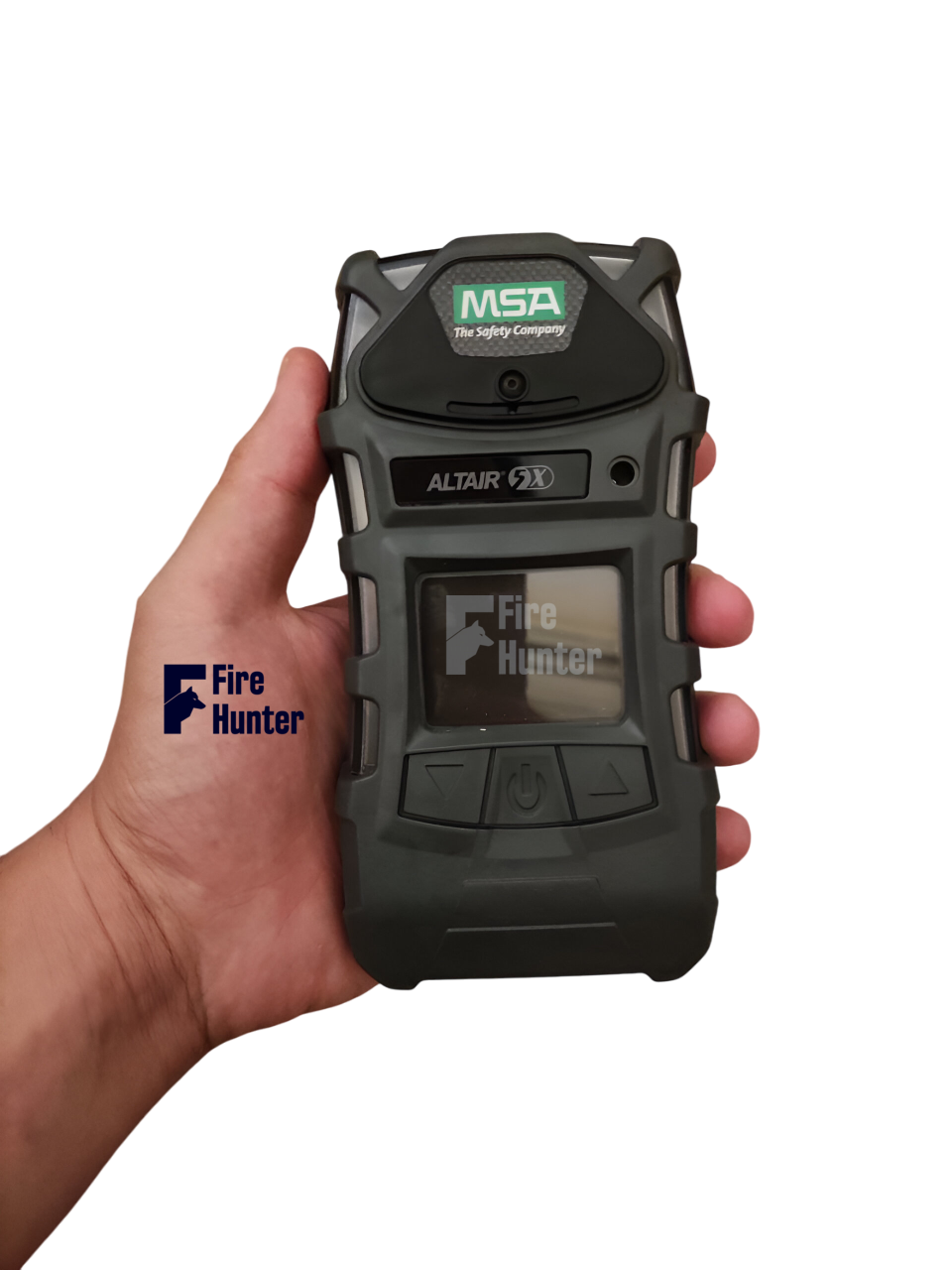
🦺 Why Gas Detection Matters in UAE Industries
With the UAE’s high concentration of oil & gas, marine, and construction activity, gas detection is a regulatory requirement for confined spaces and hazardous workplaces.
Failing to detect a gas leak can lead to:
-
Toxic exposure and respiratory harm
-
Oxygen deficiency (less than 19.5%)
-
Explosions caused by flammable gas accumulation
-
Costly shutdowns or civil defense violations
That’s why every site — from tank farms to tunnels — should have certified multi gas detectors available and regularly calibrated.
Single-Gas Detectors Explained
Single-gas detectors are designed to monitor one specific gas continuously. They are typically worn by individual workers and are valued for their simplicity and reliability.
Common Gases Monitored
-
Carbon Monoxide (CO)
-
Hydrogen Sulfide (H₂S)
-
Oxygen (O₂)
-
Sulfur Dioxide (SO₂)
Advantages of Single-Gas Detectors
-
Simple operation
-
Lightweight and compact
-
Lower initial cost
-
Ideal for personal monitoring
Typical Applications
Single-gas detectors are well suited for environments where a known, consistent hazard exists, such as CO monitoring in parking facilities or H₂S detection in wastewater operations.
Multi-Gas Detectors Explained
Multi-gas detectors are capable of monitoring multiple gases simultaneously, often using interchangeable or fixed sensors within one device.
Common Gas Combinations
-
Oxygen (O₂)
-
Combustible gases (LEL)
-
Carbon Monoxide (CO)
-
Hydrogen Sulfide (H₂S)
Advantages of Multi-Gas Detectors
-
Comprehensive hazard coverage
-
Ideal for unknown or changing environments
-
Reduced need for multiple devices
-
Enhanced safety during confined space entry
Typical Applications
Multi-gas detectors are commonly used in oil & gas facilities, chemical plants, tank inspections, and confined spaces where multiple gas hazards may be present.
Key Differences Between Single-Gas and Multi-Gas Detectors
| Feature | Single-Gas Detector | Multi-Gas Detector |
|---|---|---|
| Number of gases | One | Multiple |
| Device size | Smaller | Larger |
| Cost | Lower | Higher |
| Application | Known risks | Variable or unknown risks |
| User type | Individual worker | Safety teams and supervisors |
Multi-Gas Detectors in UAE: How to Choose the Right Sensor Configuration
Industrial safety in the UAE depends heavily on accurate gas detection. From oil & gas facilities and utilities to confined spaces and maintenance operations, multi-gas detectors are essential tools for protecting workers from invisible hazards.
Choosing the right sensor configuration is not just a technical decision—it directly affects safety compliance, operational efficiency, and long-term cost. This guide explains how to select the correct multi-gas detector configuration based on real working conditions in the UAE.
Why Multi-Gas Detectors Are Critical in the UAE
Many workplaces in the UAE involve environments where hazardous gases may be present without warning. These include:
-
Confined spaces such as tanks, pits, and tunnels
-
Industrial plants and refineries
-
Utility and maintenance operations
-
Marine and port facilities
A multi-gas detector continuously monitors air quality and alerts users before gas levels reach dangerous limits, helping prevent accidents, injuries, and downtime.
What Is a Multi-Gas Detector?
A multi-gas detector is a portable or fixed safety device designed to detect and measure multiple gases simultaneously. Unlike single-gas units, these detectors provide broader protection by combining several sensors into one compact device.
Typical applications include entry into confined spaces, leak detection, routine inspections, and emergency response.
Common Gases Detected in Industrial Environments
Understanding which gases may be present is the first step in selecting the correct sensor setup.
Oxygen (O₂)
Oxygen deficiency or enrichment can quickly become life-threatening. Monitoring oxygen levels is mandatory in confined space work.
Carbon Monoxide (CO)
Produced by incomplete combustion, carbon monoxide is odorless and extremely dangerous. It is common in mechanical rooms and industrial facilities.
Hydrogen Sulfide (H₂S)
Frequently encountered in oil, gas, and wastewater environments. Even low concentrations can be hazardous.
Combustible Gases (LEL)
These sensors detect flammable gases before they reach explosive levels, providing early warning to prevent fires and explosions.
🧰 Types of Multi Gas Detectors
Portable Multi Gas Detectors
-
Compact and battery-powered for personal protection.
-
Typical use: confined spaces, tank entries, field maintenance.
-
Sensor options for O₂, LEL, CO, H₂S as standard.
Fixed Gas Detection Systems
-
Permanently installed in plants and refineries.
-
Continuous 24/7 monitoring with audible alarms and network integration.
-
Ideal for control rooms and high-risk areas.
Wireless Detectors & Area Monitors
-
Battery-operated networked monitors for large zones.
-
Communicate alerts to command centers instantly.
-
Perfect for remote oil & gas sites or temporary projects.
How to Choose the Right Sensor Configuration
1. Assess Your Work Environment
Identify whether the detector will be used in confined spaces, open industrial areas, or hazardous zones. Each environment presents different gas risks.
2. Match Sensors to Risk Exposure
Avoid generic configurations. Select sensors based on actual gas exposure rather than assumptions.
Typical configurations include:
-
O₂ / CO / H₂S / LEL (standard industrial use)
-
Custom sensor combinations for specialized applications
3. Consider Certification Requirements
Many UAE projects require certified equipment suitable for hazardous areas. Selecting detectors with appropriate approvals ensures compliance and acceptance on site.
4. Evaluate Calibration and Maintenance
Choose detectors that support easy calibration and sensor replacement to reduce downtime and long-term operating costs.
🧠 Calibration and Maintenance
To ensure accuracy:
-
Calibrate every 6 months (or as manufacturer recommends).
-
Perform a bump test before each shift.
-
Keep sensors clean and dry.
-
Replace filters and batteries on schedule.
Fire Hunter Co. offers calibration and service support for MSA and BW models to maintain civil-defense compliance.
Portable vs Fixed Multi-Gas Detectors
Portable Gas Detectors
Ideal for:
-
Maintenance teams
-
Confined space entry
-
Mobile inspections
They offer flexibility and quick deployment.
Fixed Gas Detection Systems
Used for:
-
Continuous area monitoring
-
Permanent installations
-
High-risk industrial zones
Often integrated with alarms and control systems.
Industry Applications in the UAE
Multi-gas detectors are widely used across multiple sectors, including:
-
Oil and gas operations
-
Utilities and infrastructure projects
-
Industrial manufacturing
-
Marine and port facilities
-
Construction and maintenance works
Each industry requires a tailored sensor configuration to address specific risks.
Multi-Gas Detectors Available from Fire Hunter Co.
Fire Hunter Co. supplies professional multi-gas detectors designed for demanding industrial environments in the UAE. Our range includes portable and fixed solutions suitable for multiple applications, with configurable sensor options to match site-specific requirements.
Our team assists clients in selecting the correct configuration based on:
-
Application
-
Environmental risk
-
Compliance requirements
-
Budget and maintenance needs
Final Thoughts
Selecting the right multi-gas detector sensor configuration is a critical safety decision. The correct setup improves protection, ensures compliance, and reduces operational risk.
If you are unsure which configuration suits your application, professional guidance can help you make the right choice from the start.